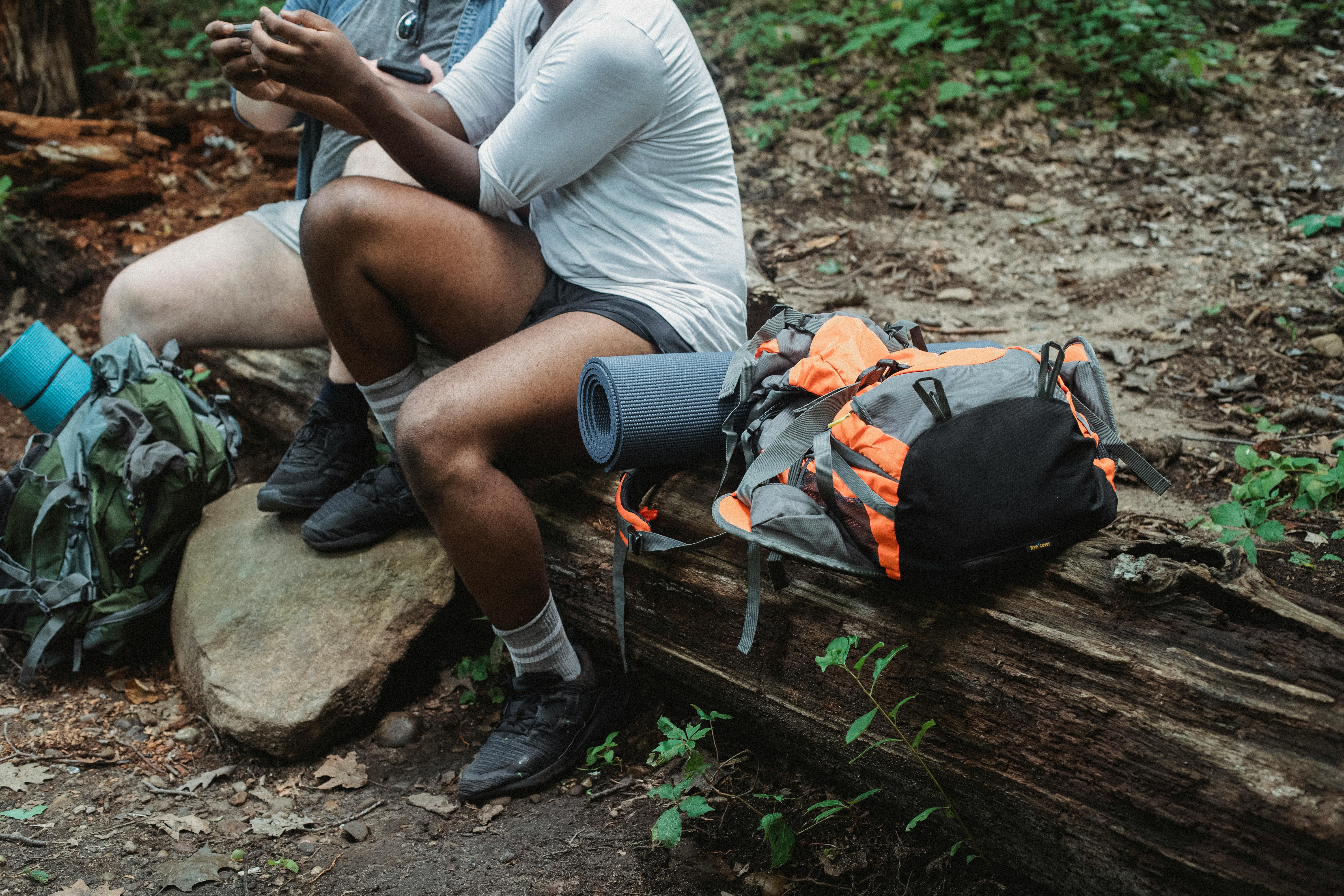
One of the fastest ways to ruin a camping or hiking trip is carrying a poorly packed backpack. Shoulder pain, back strain, poor balance, and unnecessary fatigue are often caused not by the total weight of your gear — but by how that weight is distributed inside your backpack.
Experienced hikers and backpackers follow specific packing principles to improve comfort, reduce strain on the body, and make essential gear easier to access during outdoor adventures. Whether you’re preparing for a weekend camping trip or a multi-day trekking expedition, learning how to organize your backpack properly can dramatically improve your outdoor experience.
In this guide, we’ll break down professional backpack packing strategies, explain how to distribute weight correctly, and help you avoid common beginner mistakes that lead to sore shoulders and inefficient packing.
If you’re looking for reliable hiking backpacks, waterproof trekking packs, or lightweight camping backpacks, explore our collection here:
Explore Hiking & Camping Backpacks
Table of Contents
- Why Backpack Weight Distribution Matters
- The Golden Rule of Backpack Packing
- What to Pack at the Bottom of Your Backpack
- Where Heavy Gear Should Be Placed
- What Items Belong at the Top
- How to Organize External Backpack Gear
- Common Backpack Packing Mistakes
- Features to Look for in a Trekking Backpack
- Recommended Gogeegee Trekking Backpacks
- Final Thoughts
Why Backpack Weight Distribution Matters
Many beginner hikers assume that discomfort comes from carrying too much gear. In reality, improper packing is often the bigger problem. Poor weight distribution shifts pressure onto your shoulders and lower back, making even moderate hiking distances exhausting.
A properly packed backpack helps:
- Reduce shoulder and neck strain
- Improve walking balance on uneven trails
- Prevent lower back fatigue
- Increase hiking efficiency
- Make important gear easier to access
- Improve long-distance comfort during trekking trips
Professional backpackers organize gear strategically so the backpack stays balanced and close to the body’s center of gravity.
The Golden Rule of Backpack Packing
The most important backpack packing principle is simple:
Heavy items should stay close to your back and centered in the middle of the backpack.
This positioning keeps weight stable and prevents your body from leaning backward unnecessarily while hiking.
At the same time:
- Lightweight gear should go at the bottom
- Frequently used items should stay near the top
- Bulky equipment should remain balanced on both sides
When weight is distributed properly, your hips carry more of the load instead of your shoulders.
What to Pack at the Bottom of Your Backpack
The bottom compartment should contain soft, lightweight items that you won’t need frequently during the day.
Best Items for the Bottom Section
- Sleeping bags
- Extra clothing layers
- Sleeping clothes
- Packable blankets
- Lightweight camp shoes
These softer items also create cushioning that improves carrying comfort.
Why Heavy Items Should Never Go at the Bottom
Placing heavy gear too low pulls your body backward while walking. This creates unnecessary strain on your shoulders and lower spine.
| Backpack Zone | Recommended Gear | Purpose |
|---|---|---|
| Bottom | Sleeping bag, extra clothing | Soft cushioning and lightweight storage |
| Middle / Close to Back | Food, cooking gear, water | Main weight stabilization |
| Top | Rain jacket, snacks, flashlight | Quick access items |
| External Pockets | Water bottle, maps, sunscreen | Frequently accessed gear |
Where Heavy Gear Should Be Placed
The center section closest to your back is the most important part of your backpack. This area should hold the densest and heaviest items.
Examples of Heavy Gear Placement
- Cooking equipment
- Food storage
- Water reservoirs
- Camping cookware
- Portable stoves
- Battery packs
Keeping heavy gear close to your spine improves stability and reduces shoulder fatigue during long hikes.
Balance Left and Right Weight Evenly
Uneven weight distribution can throw off your balance and increase energy usage while hiking uphill or across rough terrain.
Always check:
- Does one side feel heavier?
- Is the backpack pulling backward?
- Are loose items shifting while walking?
Small adjustments can significantly improve comfort on long-distance hikes.
What Items Belong at the Top of Your Backpack
The top compartment should contain gear you may need quickly throughout the day without unpacking your entire bag.
Quick Access Essentials
- Rain jackets
- Trail snacks
- Navigation tools
- First aid kits
- Headlamps or flashlights
- Phone chargers or power banks
- Compact emergency supplies
This organization system saves time and prevents unnecessary repacking during bad weather or trail breaks.
How to Organize External Backpack Gear
Many hiking backpacks include compression straps, side pockets, and attachment loops designed for additional gear organization.
Good Uses for External Storage
- Water bottles
- Trekking poles
- Wet clothing
- Foam sleeping pads
- Tripods or lightweight tools
Avoid Overloading the Exterior
Too much external gear can:
- Shift while walking
- Reduce balance
- Catch on branches or rocks
- Create uneven weight distribution
Keep external attachments compact and secure whenever possible.
Common Backpack Packing Mistakes Beginners Make
Mistake #1: Packing Randomly
Throwing gear into a backpack without organization usually creates imbalance and wasted space.
Mistake #2: Carrying Too Much Gear
Overpacking is extremely common among beginner campers. Prioritize versatile, lightweight equipment whenever possible.
Mistake #3: Ignoring Backpack Adjustments
Hip belts, shoulder straps, chest straps, and load lifters are designed to distribute weight correctly. Many hikers fail to adjust them properly.
Mistake #4: Using the Wrong Backpack Size
A backpack that is too large encourages overpacking, while a pack that is too small limits efficient organization.
Features to Look for in a Quality Trekking Backpack
A well-designed hiking backpack improves comfort significantly during outdoor adventures.
Important Backpack Features
- Water-resistant or waterproof materials
- Adjustable shoulder and hip straps
- Breathable back panels
- Lightweight frame support
- Multiple storage compartments
- Compression straps for stability
- Long-distance ergonomic support
Modern trekking backpacks are specifically designed to reduce fatigue during extended hiking trips while improving airflow and carrying comfort.
Recommended Gogeegee Trekking Backpacks
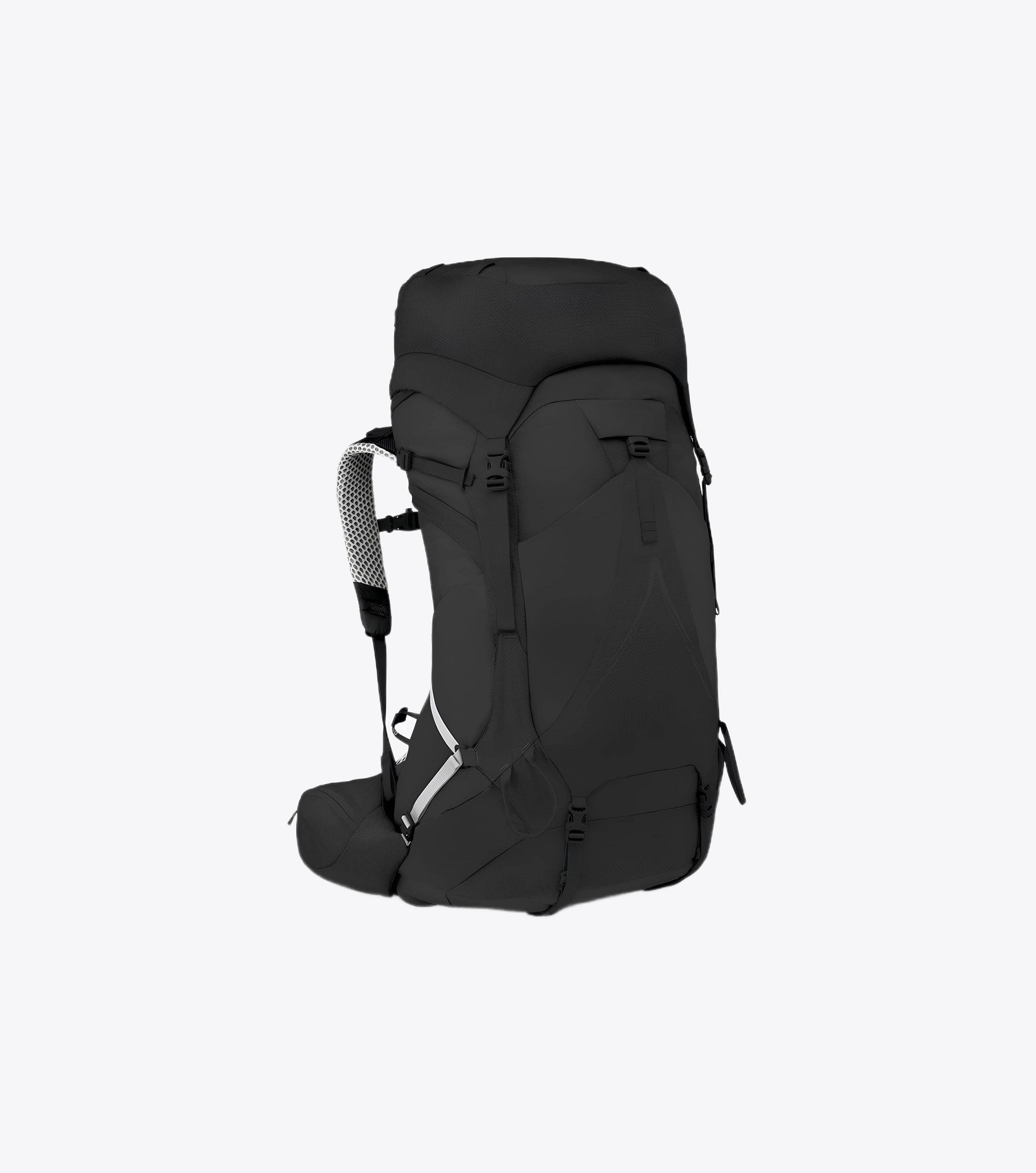
Gogeegee WildTerra 45L Women’s Trekking Backpack
Designed for camping adventures, weekend trekking trips, and outdoor travel, the WildTerra 45L backpack combines storage capacity with ergonomic carrying support. Its balanced structure helps distribute weight more efficiently for improved hiking comfort.
- 45L trekking capacity
- Designed for camping and hiking trips
- Comfort-focused shoulder support
- Ideal for beginner and intermediate hikers
View Gogeegee WildTerra 45L Backpack
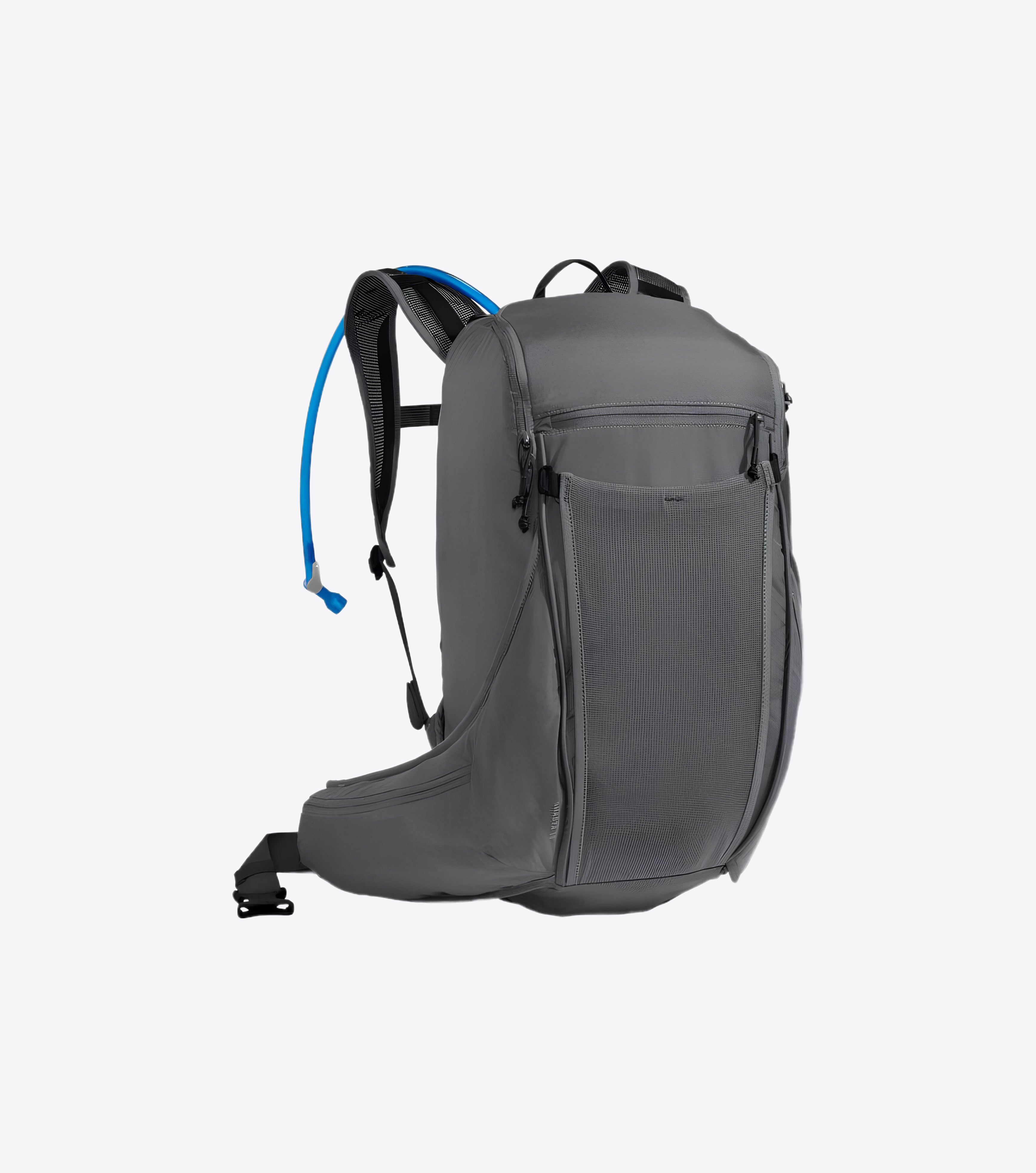
Gogeegee AuroraPeak 48L Women’s Ultralight Backpacking Pack
The AuroraPeak 48L backpack is built for hikers who want lightweight performance during longer outdoor adventures. Its streamlined design improves mobility while maintaining practical gear organization for backpacking trips.
- Ultralight backpacking design
- 48L storage capacity
- Comfortable long-distance carrying support
- Suitable for hiking and trekking expeditions
View Gogeegee AuroraPeak 48L Backpack
Final Thoughts
Packing your hiking backpack correctly is one of the most valuable outdoor skills for beginner campers and backpackers. Smart weight distribution reduces fatigue, improves stability, and makes long hiking trips significantly more comfortable.
By organizing heavy gear near your back, storing lightweight items at the bottom, and keeping essential gear easily accessible, you can hike more efficiently while protecting your shoulders and lower back from unnecessary strain.
Reliable trekking backpacks also play a major role in carrying comfort and outdoor performance. Whether you’re preparing for weekend camping trips or long-distance hiking adventures, choosing the right backpack makes every mile easier.