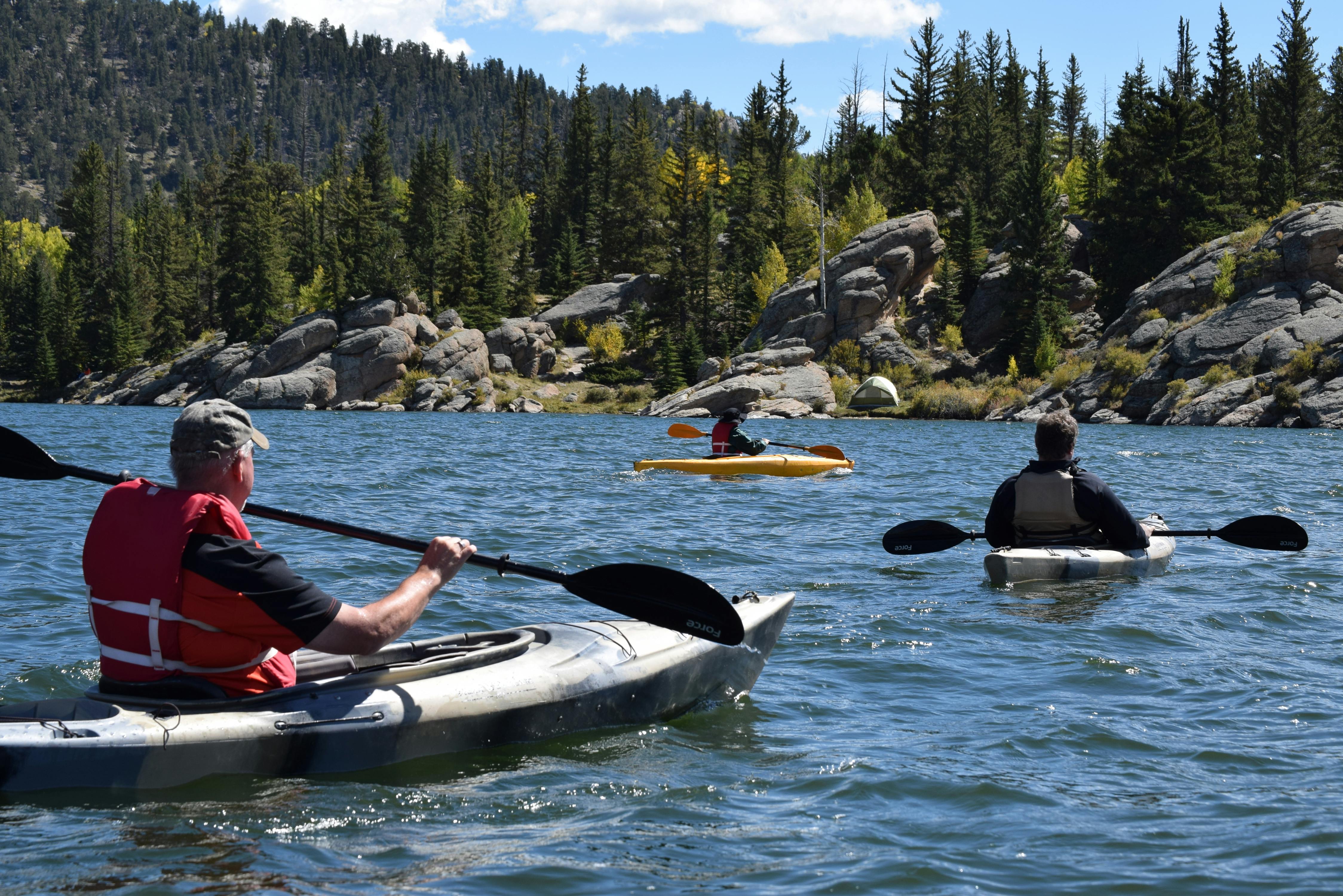
Kayaking and canoeing are some of the most rewarding outdoor activities for adventure lovers. Whether you’re exploring calm lakes, fishing near the shoreline, or paddling through scenic rivers, spending time on the water offers a unique combination of relaxation, exercise, and outdoor exploration.
However, beginner paddlers often underestimate how important proper safety preparation can be. Even calm water conditions can become dangerous without the right equipment, weather awareness, and basic paddling knowledge.
Before launching your first kayak or canoe trip, it’s essential to understand which safety gear you should always bring, how to choose beginner-friendly paddling equipment, and what type of kayak works best for your experience level.
If you’re looking for beginner-friendly kayaks, inflatable paddle boats, or stable touring kayaks, explore our collection here:
Table of Contents
- Why Safety Preparation Matters in Kayaking
- Why a Proper Life Jacket Is Essential
- How Dry Bags Protect Your Gear on the Water
- How to Choose the Right Paddle for Beginners
- What Clothing Should You Wear While Kayaking?
- Weather and Water Conditions Beginners Should Avoid
- Beginner Kayaking Safety Tips
- Choosing the Right Kayak for Your Adventure Style
- Recommended Gogeegee Kayaks for Beginners & Recreation
- Final Thoughts
Why Safety Preparation Matters in Kayaking
Many beginners assume kayaking is only dangerous in rough rivers or ocean environments. In reality, even calm lakes and slow-moving rivers can become hazardous due to:
- Sudden weather changes
- Cold water exposure
- Strong currents
- Wind conditions
- Poor paddling technique
- Equipment failure
- Unexpected capsizing
Proper preparation dramatically reduces these risks and helps paddlers stay calm during unexpected situations.
The good news is that most beginner kayaking accidents are preventable with basic safety equipment and smart trip planning.
Why a Proper Life Jacket Is Essential
A life jacket — also known as a personal flotation device (PFD) — is the single most important piece of kayaking safety equipment.
Regardless of swimming ability, every paddler should wear a properly fitted life jacket whenever they are on the water.
What Makes a Good Kayaking Life Jacket?
- Snug but comfortable fit
- Designed specifically for paddling mobility
- Lightweight construction
- Secure adjustable straps
- Bright colors for visibility
Common Beginner Mistakes
| Mistake | Why It’s Dangerous |
|---|---|
| Not wearing the life jacket | Unexpected capsizing can happen quickly |
| Choosing oversized PFDs | Poor fit reduces flotation effectiveness |
| Using damaged safety gear | Compromises water safety performance |
| Leaving life jackets unbuckled | May slip off during emergencies |
Even experienced paddlers wear life jackets during recreational kayaking trips because water conditions can change unexpectedly.
How Dry Bags Protect Your Gear on the Water
Waterproof dry bags are another essential piece of kayaking equipment. They help protect valuable items from water damage during splashes, rain, or accidental capsizing.
Items You Should Always Keep in a Dry Bag
- Phones and electronics
- Wallets and keys
- Extra clothing
- Emergency supplies
- Food and snacks
- Maps or navigation tools
Why Beginners Often Underestimate Dry Bags
Many first-time kayakers assume calm water conditions guarantee dry gear. However, even small paddle splashes can soak exposed items over several hours on the water.
A high-quality waterproof storage system provides peace of mind throughout the trip.
How to Choose the Right Paddle for Beginners
Choosing the correct paddle is just as important as selecting the kayak itself. An uncomfortable or poorly sized paddle can quickly cause arm fatigue and inefficient paddling technique.
What Beginners Should Look For
- Lightweight construction
- Comfortable grip design
- Balanced blade shape
- Appropriate shaft length for body size
- Durable corrosion-resistant materials
Paddle Length Basics
Paddle length depends on:
- Your height
- Kayak width
- Paddling style
| Paddler Height | Recommended Paddle Length |
|---|---|
| Under 5’5″ | 210–220 cm |
| 5’5″–6’0″ | 220–230 cm |
| Over 6’0″ | 230–240 cm |
For beginner recreational kayaking, lightweight paddles reduce fatigue and improve overall control.
What Clothing Should You Wear While Kayaking?
Many beginners make the mistake of dressing for air temperature instead of water temperature.
Even during warm weather, cold water exposure can become dangerous if you capsize unexpectedly.
Recommended Kayaking Clothing
- Quick-drying synthetic fabrics
- Water-resistant outer layers
- Sun-protective clothing
- Non-slip water shoes
- Light gloves for paddling comfort
- Wide-brim hats and sunglasses
Avoid Cotton Clothing
Cotton absorbs water and dries slowly, increasing discomfort and lowering body temperature after exposure to water.
Weather and Water Conditions Beginners Should Avoid
One of the smartest safety decisions beginners can make is knowing when NOT to paddle.
Conditions Beginners Should Avoid
- Strong winds
- Fast-moving rivers
- Thunderstorms
- Cold water conditions
- Heavy boat traffic
- Large ocean waves
Check Forecasts Before Launching
Always monitor:
- Wind speed
- Rain probability
- Water current conditions
- Temperature changes
- Storm warnings
Good weather planning improves both safety and enjoyment during kayaking trips.
Beginner Kayaking Safety Tips
Never Paddle Alone
Whenever possible, beginners should kayak with a partner or group.
Stay Close to Shore
New paddlers should avoid venturing far from shore until they gain confidence and experience.
Learn Basic Rescue Skills
Understanding how to re-enter a kayak after capsizing is an important beginner skill.
Bring More Water Than You Expect
Paddling can become physically demanding, especially during hot weather conditions.
Protect Yourself From Sun Exposure
Water reflects sunlight and increases UV exposure significantly during long paddling trips.
Choosing the Right Kayak for Your Adventure Style
Different kayak styles are designed for different outdoor experiences.
| Kayak Type | Best For | Main Advantage |
|---|---|---|
| Recreational Kayak | Calm lakes and casual paddling | Stable and beginner-friendly |
| Inflatable Kayak | Travel and portability | Easy transportation and storage |
| Touring Kayak | Long-distance paddling | Better speed and tracking |
Recommended Gogeegee Kayaks for Beginners & Recreation
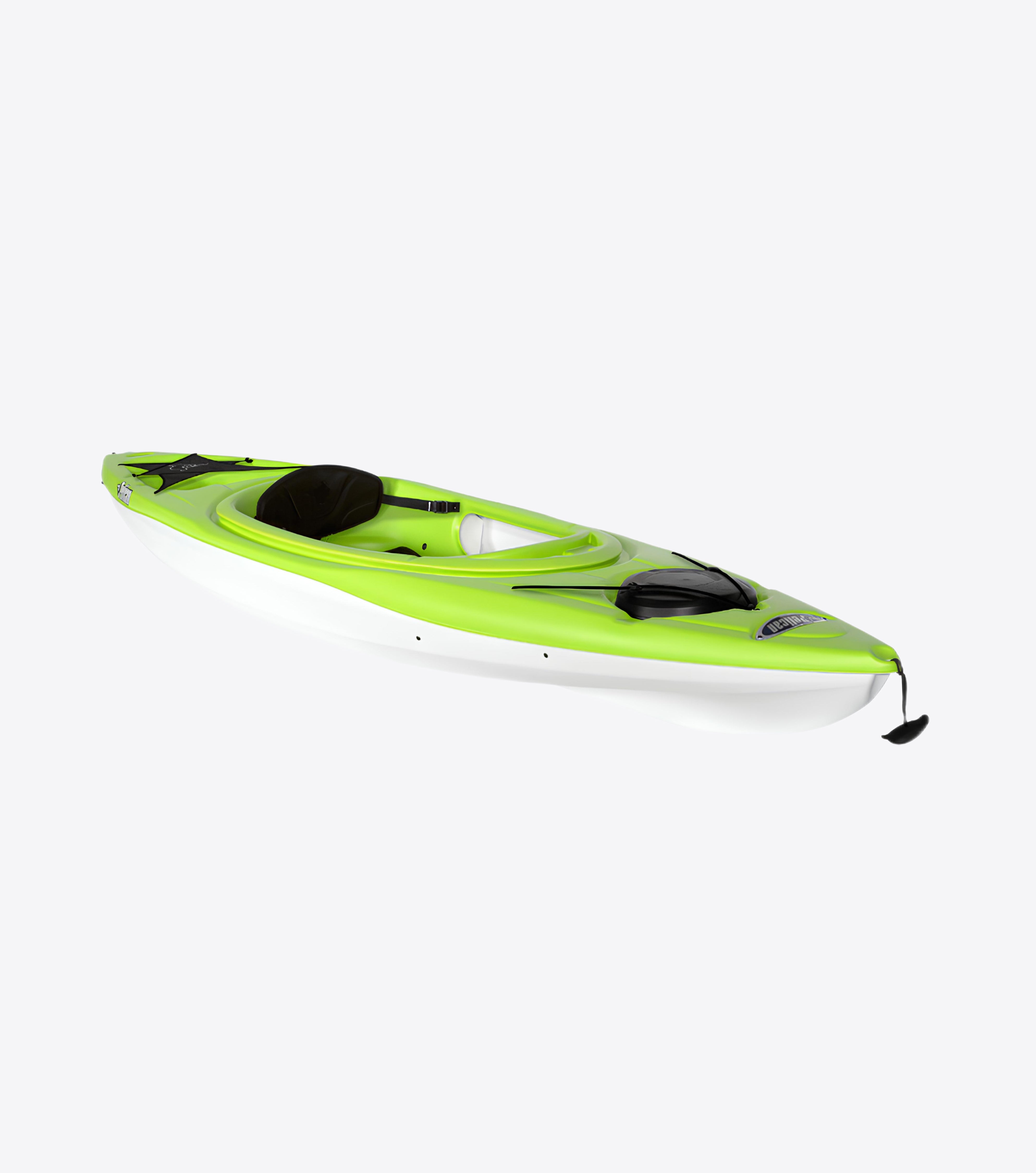
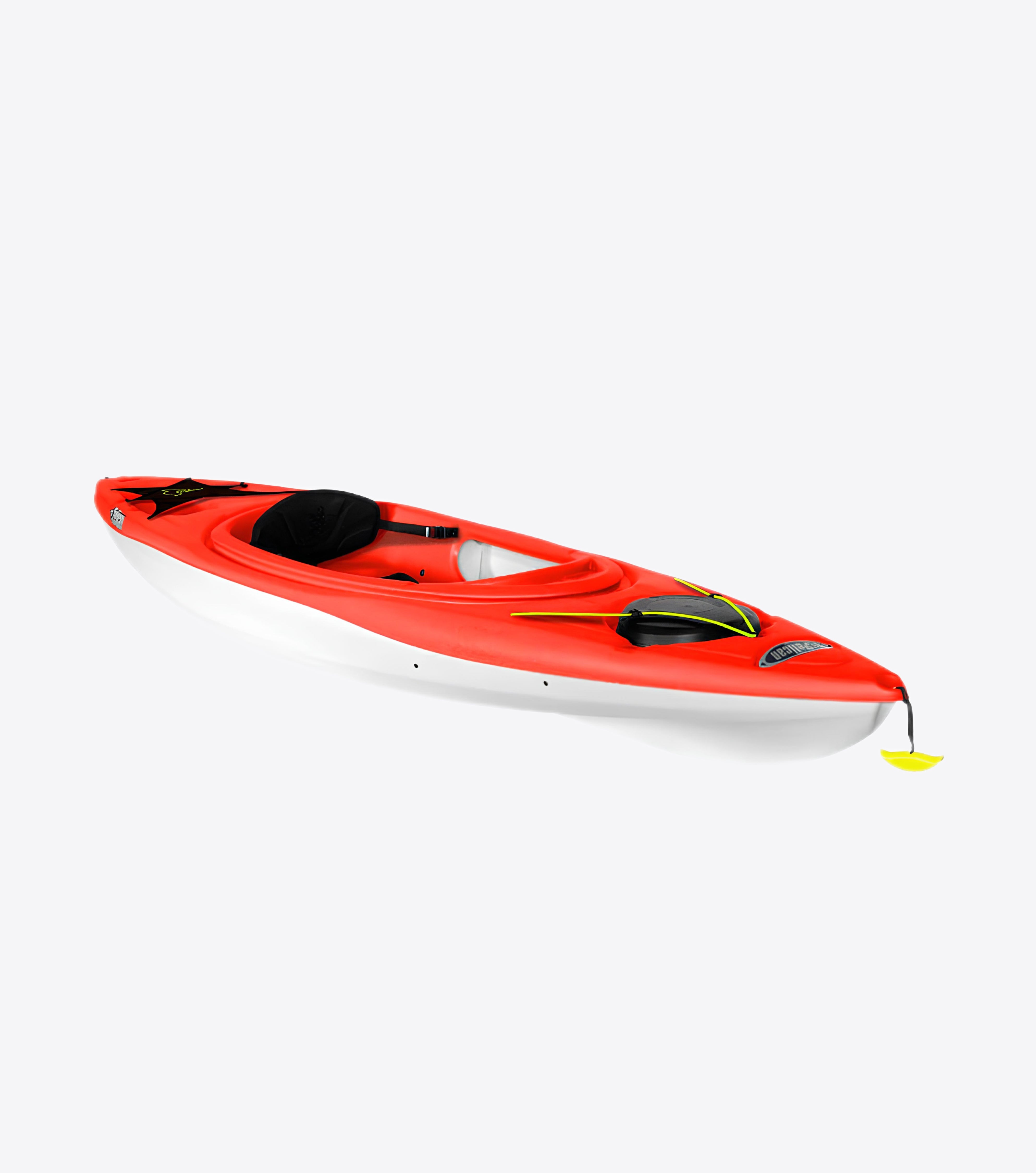
Gogeegee ShoreHunter 100X Lightweight Fishing & Recreation Kayak — $280
The ShoreHunter 100X is designed for calm water adventures, recreational paddling, and beginner-friendly kayaking experiences. Its lightweight structure makes transportation and handling easier for new paddlers.
- Lightweight recreational kayak design
- Suitable for calm lakes and rivers
- Beginner-friendly handling
- Available in red and green color options
View Gogeegee ShoreHunter 100X Kayak
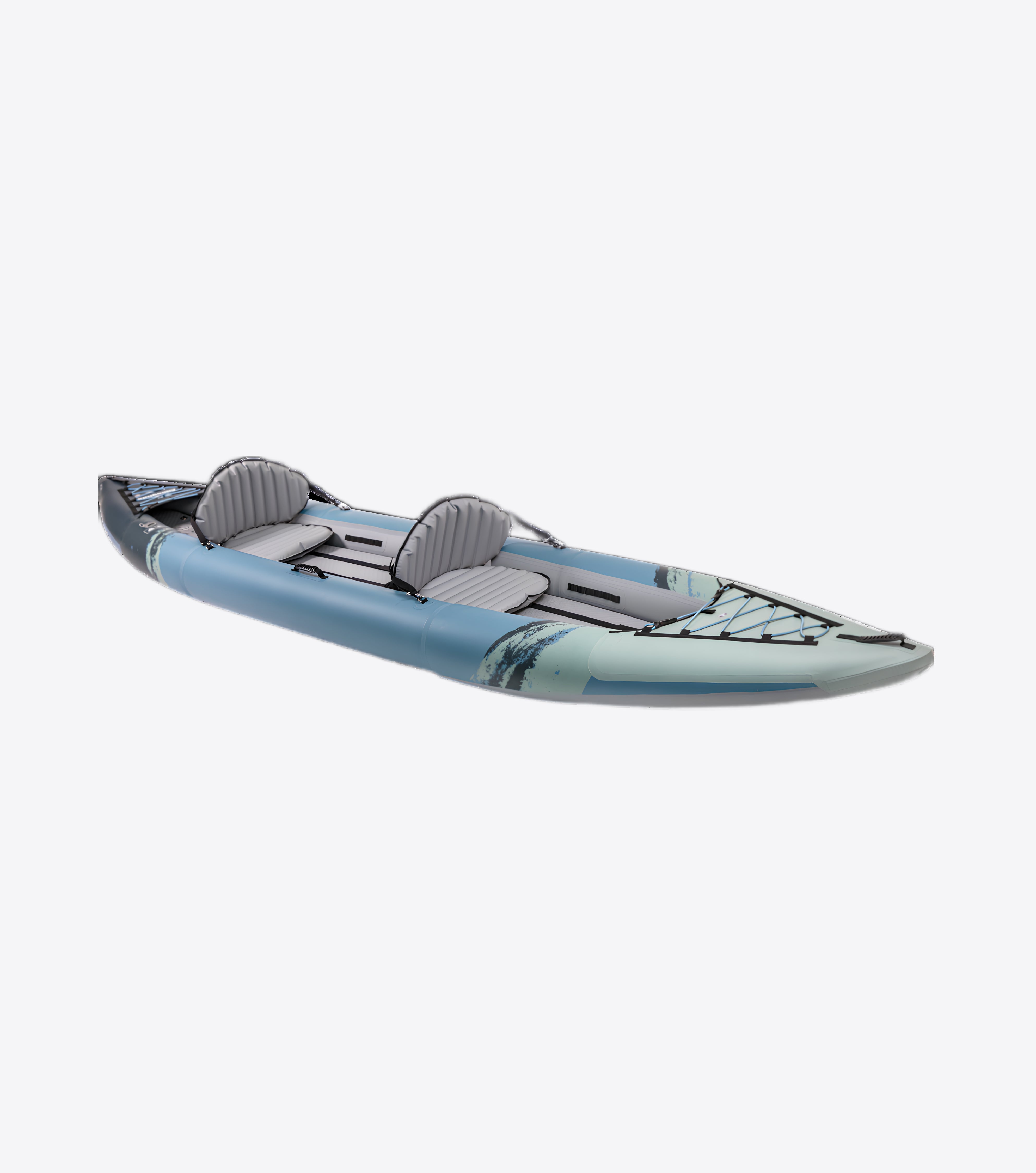
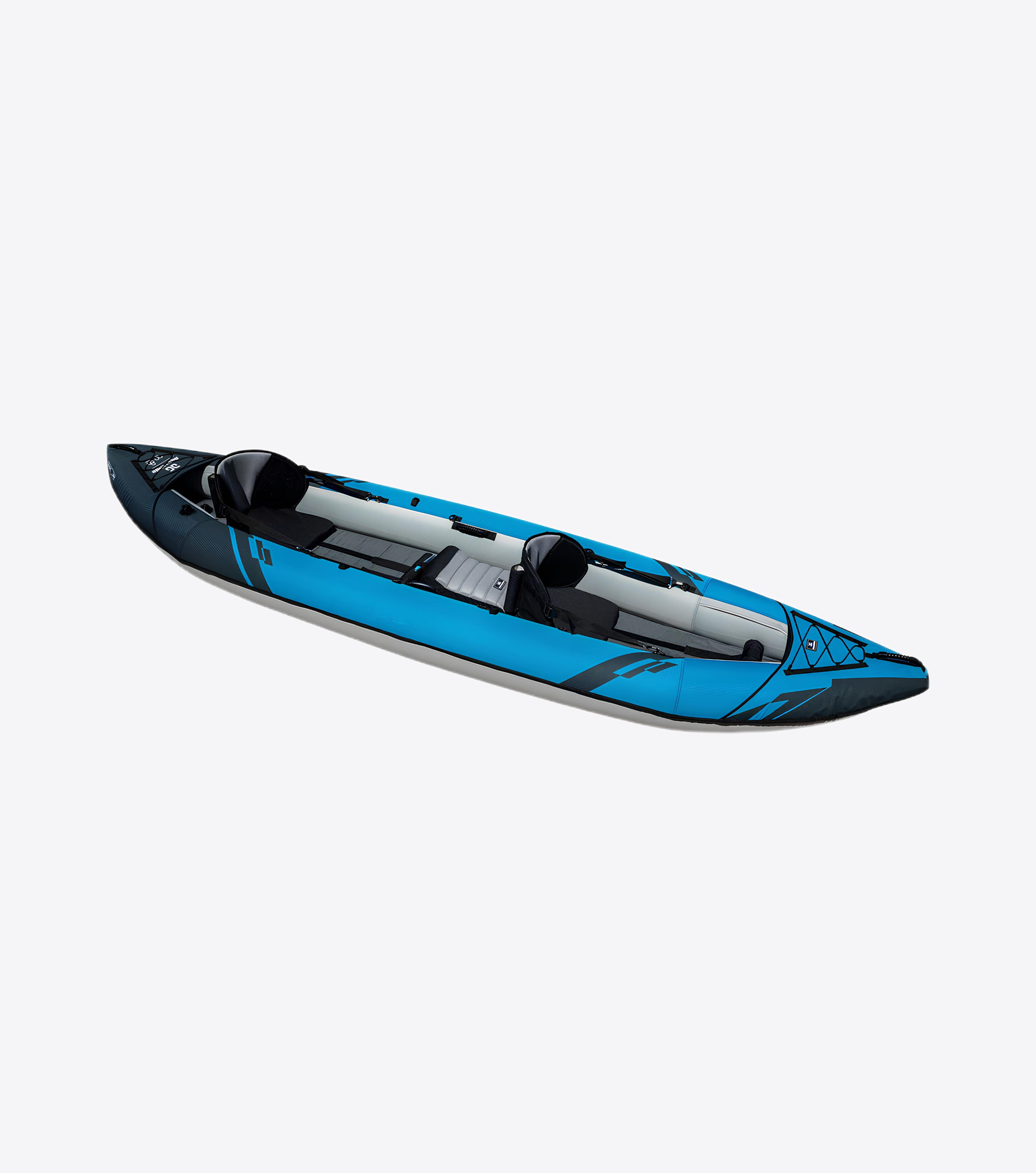
Gogeegee StreamLine 100 Inflatable Kayak Boat — $550
The StreamLine 100 inflatable kayak offers excellent portability for solo paddlers who want easy transportation and compact storage. Inflatable kayak systems are especially useful for travelers with limited vehicle space.
- Inflatable portable kayak design
- Ideal for solo water sports adventures
- Compact storage convenience
- Suitable for recreational outdoor trips
View Gogeegee StreamLine 100 Inflatable Kayak
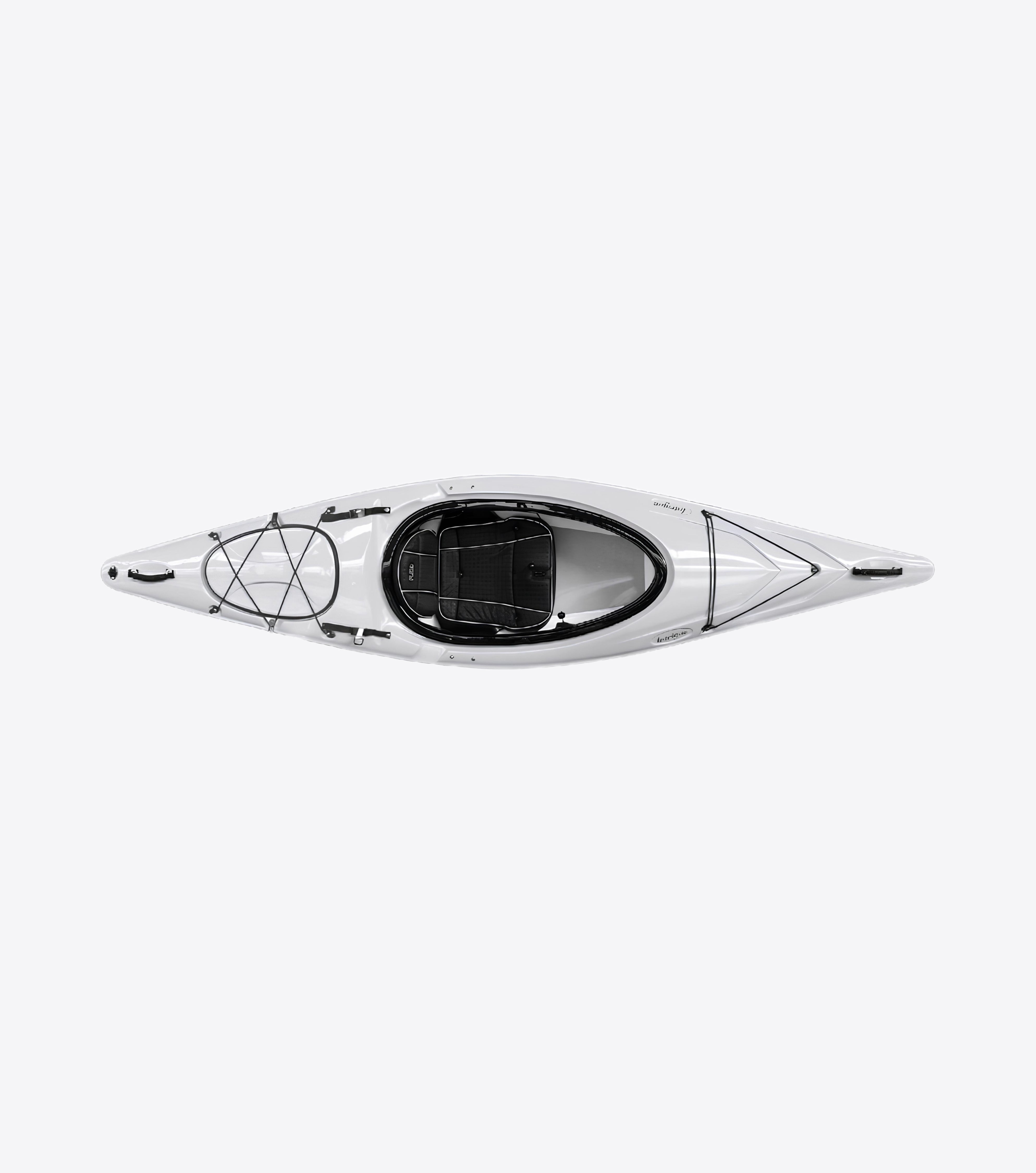
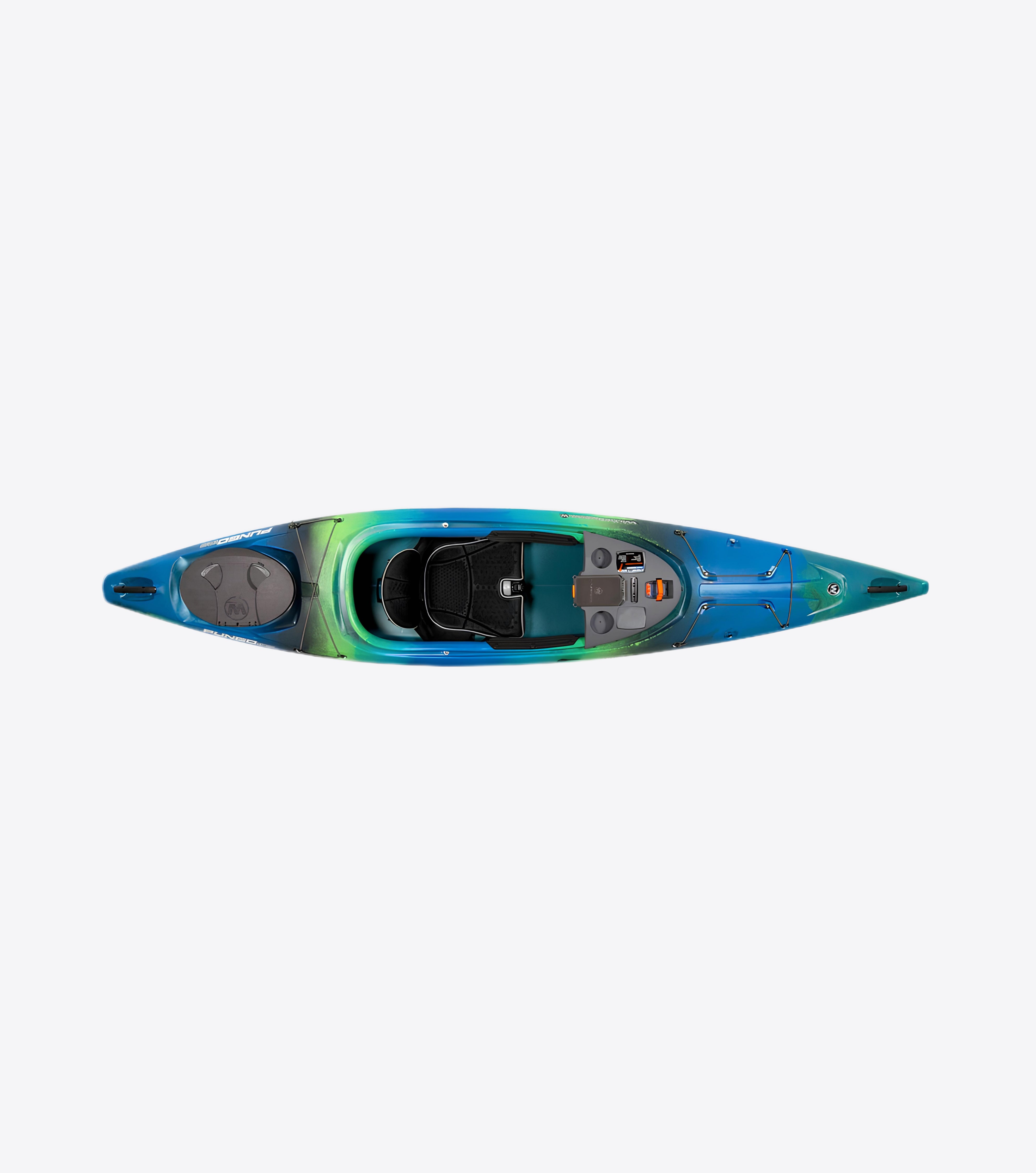
Gogeegee RiverQuest 120 Touring Kayak — $1,045
Built for longer-distance paddling adventures, the RiverQuest 120 touring kayak delivers enhanced stability and efficient tracking for recreational touring and outdoor exploration.
- Stable sit-in touring kayak design
- Suitable for extended paddling trips
- Improved directional tracking
- Available in blue and green color options
View Gogeegee RiverQuest 120 Touring Kayak
Final Thoughts
Kayaking and canoeing can become incredible outdoor hobbies when approached with proper preparation and safety awareness. Understanding how to choose life jackets, organize waterproof gear, monitor weather conditions, and select beginner-friendly paddling equipment helps create a safer and more enjoyable experience on the water.
Whether you’re exploring calm lakes, planning fishing adventures, or preparing for long-distance paddling trips, reliable kayaking equipment plays a major role in comfort, confidence, and safety.
Choosing the right kayak for your skill level and adventure goals is one of the best ways to enjoy the outdoors while building paddling experience over time.