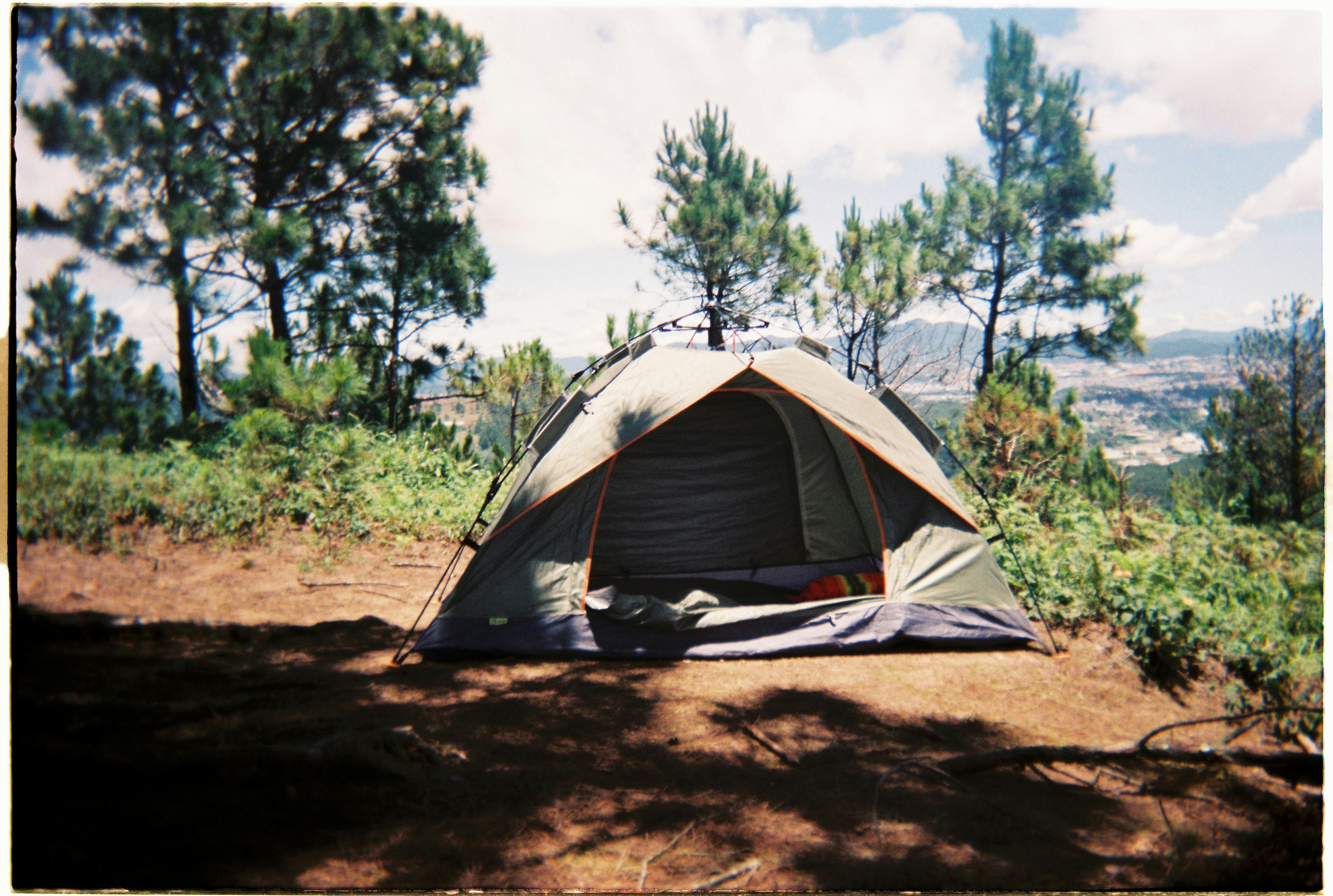
Choosing the right tent is one of the most important decisions for any family camping trip. The wrong shelter can lead to stressful setup, uncomfortable sleeping arrangements, and poor protection during changing weather conditions. For many campers — especially beginners — the biggest question usually comes down to this:
Should you choose a pop-up tent for convenience or a traditional pole tent for durability and long-term performance?
Both tent styles offer important advantages depending on your camping experience, travel style, group size, and outdoor conditions. Pop-up tents are known for fast setup and beginner-friendly convenience, while traditional pole tents remain popular for their stability, portability, and weather resistance.
In this guide, we’ll compare the two tent types in detail to help you decide which option is best for your next family camping adventure.
Table of Contents
- Understanding the Difference Between Tent Types
- Advantages of Pop-Up Tents
- Disadvantages of Pop-Up Tents
- Advantages of Traditional Pole Tents
- Disadvantages of Traditional Pole Tents
- Detailed Side-by-Side Tent Comparison
- Which Tent Type Is Better for Family Camping?
- Recommended Gogeegee Family Camping Tents
- Final Thoughts
Understanding the Difference Between Tent Types
Before comparing performance, it’s important to understand how these tent systems work.
What Is a Pop-Up Tent?
Pop-up tents use pre-attached flexible frames that automatically expand into shape when unpacked. Many models can be fully opened in just a few minutes with minimal assembly required.
These shelters are especially popular among:
- Beginner campers
- Weekend travelers
- Festival attendees
- Families wanting quick setup
- Campers who dislike complicated assembly
What Is a Traditional Pole Tent?
Traditional tents use separate poles that must be manually inserted through sleeves or clips during setup. Although setup takes longer, these tents often provide better structural support and weather resistance.
Traditional pole tents remain extremely popular for:
- Longer camping trips
- Mountain or windy environments
- Family camping vacations
- Multi-room camping shelters
- Campers prioritizing durability
Advantages of Pop-Up Tents
1. Extremely Fast Setup
The biggest advantage of pop-up tents is convenience. Many models can be opened within minutes, making them ideal for families arriving at campsites late in the evening or during poor weather.
Instead of spending 20–30 minutes assembling poles, beginners can focus on organizing gear and enjoying the campsite.
2. Beginner-Friendly Design
Pop-up tents reduce the learning curve for new campers. The simplified setup process lowers stress and minimizes common setup mistakes.
3. Convenient for Short Trips
For overnight camping trips, festivals, or casual weekend adventures, quick-deploy shelters offer significant convenience.
4. Less Assembly Frustration
Families with children often appreciate tents that require fewer setup steps, especially after long drives or during unpredictable weather conditions.
Disadvantages of Pop-Up Tents
1. Bulkier Storage Size
Although pop-up tents deploy quickly, they are often larger and more awkward to transport after folding.
Their circular storage shape can create packing challenges inside vehicles.
2. Reduced Wind Resistance
Many instant or pop-up tents prioritize convenience over structural strength. In strong wind conditions, they may not perform as well as traditional frame tents.
3. Limited Customization
Pop-up designs typically offer fewer advanced setup options compared to traditional camping shelters.
4. Folding Can Be Difficult for Beginners
Ironically, while opening these tents is simple, folding them back into compact storage can sometimes confuse first-time users.
Advantages of Traditional Pole Tents
1. Better Structural Stability
Traditional pole tents generally perform better during wind, rain, and changing weather conditions because the pole systems provide stronger tension and frame support.
2. More Compact for Transportation
Unlike large circular pop-up tent bags, pole tents usually pack into narrower carry bags that fit more easily into vehicles and storage compartments.
3. Greater Variety of Tent Sizes
Traditional tent designs allow manufacturers to create:
- Large family tents
- Multi-room camping shelters
- Extended vestibules
- High-ceiling lodge tents
- Weather-focused expedition tents
4. Better Long-Term Durability
For frequent campers, traditional tents often provide stronger long-term value due to their more robust construction systems.
Disadvantages of Traditional Pole Tents
1. Longer Setup Time
Traditional tents require more assembly and setup experience. Beginners may initially struggle with:
- Pole organization
- Rainfly attachment
- Guyline tensioning
- Proper stake placement
2. More Components to Manage
Separate poles, stakes, and connectors increase the number of pieces that can potentially be misplaced during travel.
3. Setup Can Be Harder in Bad Weather
Heavy rain or strong wind can make traditional tent assembly more challenging for inexperienced campers.
Detailed Side-by-Side Tent Comparison
| Feature | Pop-Up Tent | Traditional Pole Tent |
|---|---|---|
| Setup Speed | Very fast | Moderate to slow |
| Ease for Beginners | Excellent | Moderate |
| Wind Resistance | Average | Strong |
| Rain Protection | Moderate | Usually better |
| Packing Size | Bulkier | More compact |
| Long-Term Durability | Moderate | Excellent |
| Best For | Quick trips & beginners | Frequent camping & family trips |
Which Tent Type Is Better for Family Camping?
The answer depends largely on your camping style and priorities.
Choose a Pop-Up Tent If You:
- Want fast and easy setup
- Camp occasionally
- Travel with young children
- Prefer convenience over advanced features
- Usually camp in calm weather conditions
Choose a Traditional Pole Tent If You:
- Camp frequently
- Need better weather protection
- Want larger interior living space
- Travel on longer camping trips
- Prioritize durability and long-term value
For many families, traditional tents remain the best long-term investment because they provide greater stability, storage efficiency, and weather performance.
Recommended Gogeegee Family Camping Tents
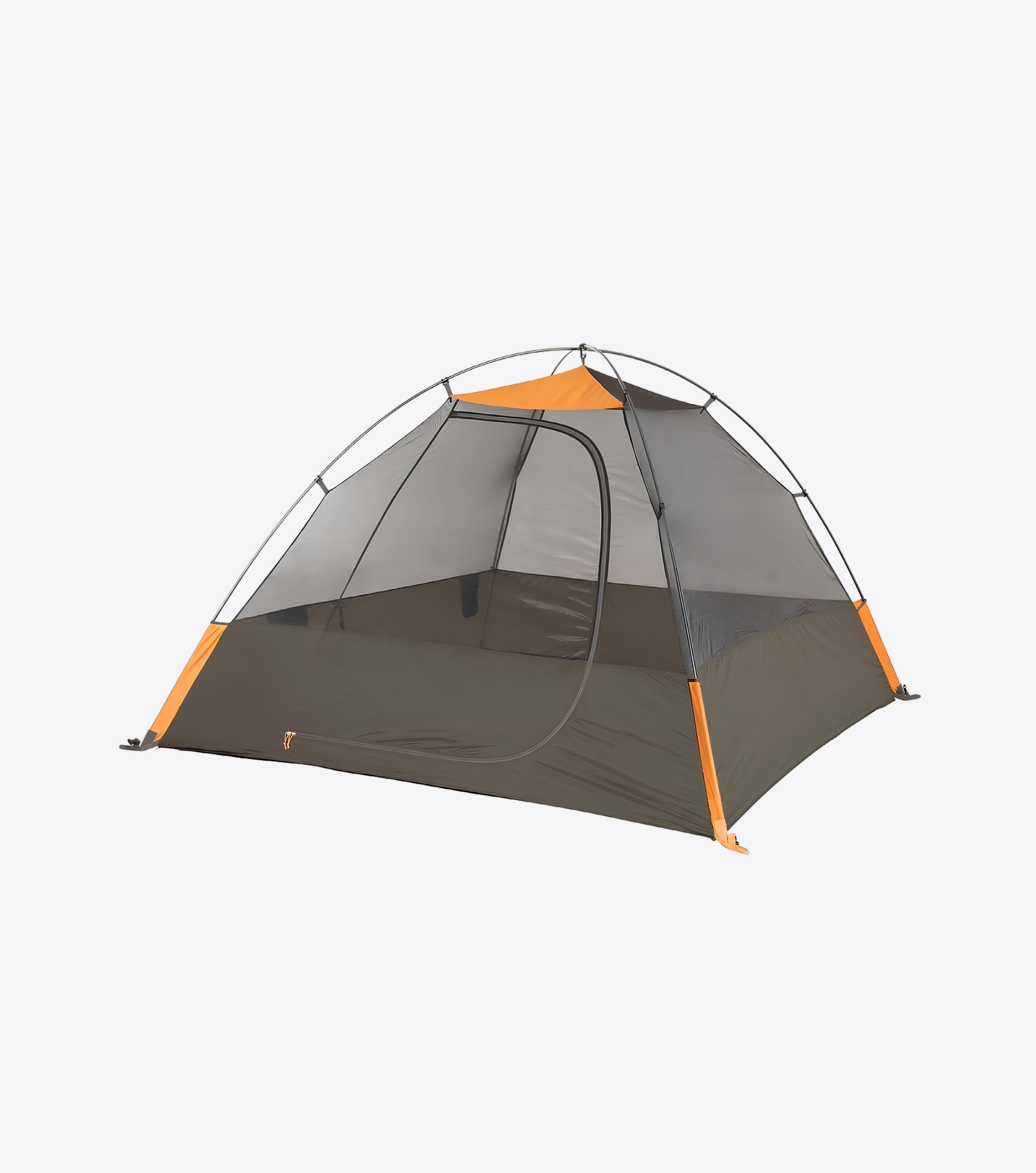
Gogeegee GrandRidge 4-Person Adventure Tent — $150
The GrandRidge 4-Person Adventure Tent is a versatile traditional camping tent designed for family camping trips, outdoor adventures, and weekend getaways. Its structured frame system provides improved stability and weather protection compared to many instant setup shelters.
- 4-person camping capacity
- Traditional frame construction
- Balanced portability and durability
- Suitable for beginner and intermediate campers
View Gogeegee GrandRidge 4-Person Adventure Tent
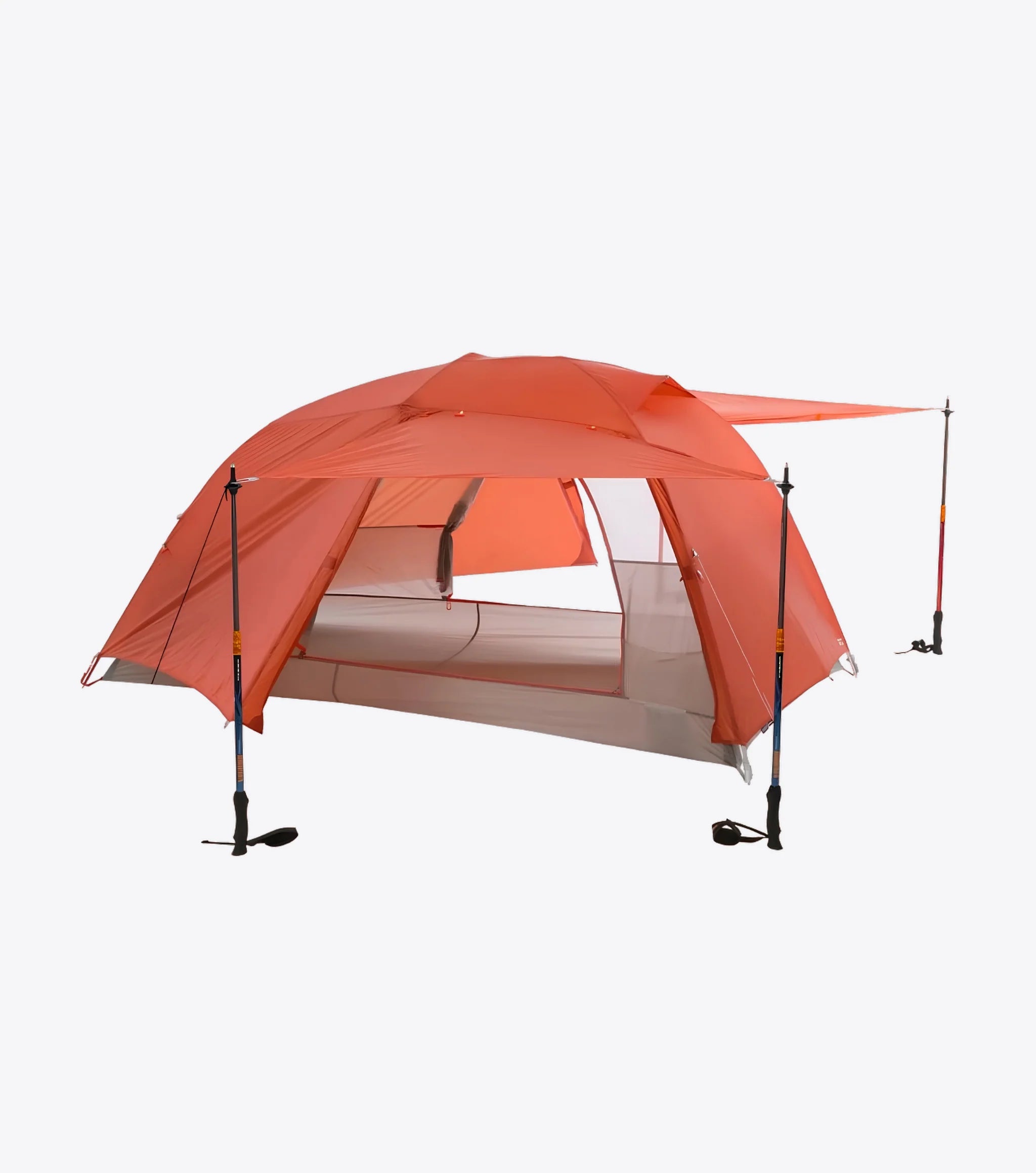
Gogeegee QuickNest Folding Camping Cot Shelter — $200
The QuickNest Folding Camping Cot Shelter offers fast setup convenience combined with elevated sleeping comfort. Its simplified deployment system makes it attractive for campers prioritizing convenience and quick campsite organization.
- Fast deployment shelter design
- Elevated cot-style sleeping system
- Convenient for short camping trips
- Great for beginner campers
View Gogeegee QuickNest Folding Camping Cot Shelter
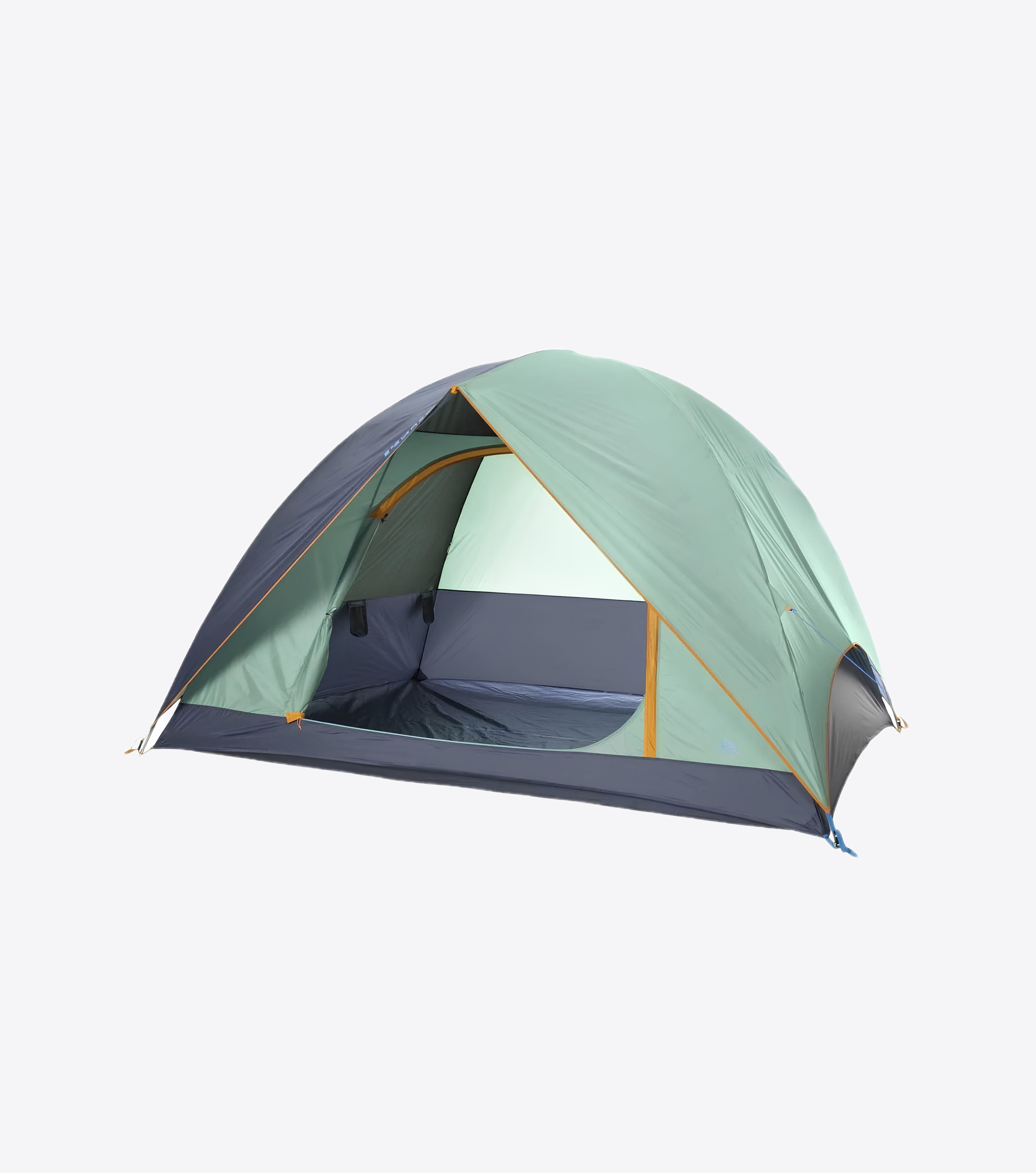
Gogeegee TrailHaven 6 Family Camping Lodge Tent — $500
The TrailHaven 6 Family Camping Lodge Tent is built for larger family camping adventures where interior comfort and weather protection are top priorities. Its spacious design makes it ideal for extended outdoor vacations and group camping trips.
- Large 6-person family capacity
- Spacious lodge-style design
- Enhanced comfort for longer stays
- Suitable for family road trips and campground camping
View Gogeegee TrailHaven 6 Family Camping Lodge Tent
Final Thoughts
Both pop-up tents and traditional pole tents offer valuable advantages for family camping trips. Pop-up shelters prioritize convenience and simplicity, while traditional tents deliver stronger weather protection, improved stability, and greater long-term versatility.
For casual weekend campers and beginners, fast-deploy shelters may provide the easiest camping experience. However, families planning longer trips or camping regularly may benefit more from the durability and interior space offered by traditional frame tents.
Ultimately, the best camping tent is the one that matches your travel style, comfort expectations, and outdoor adventure goals.