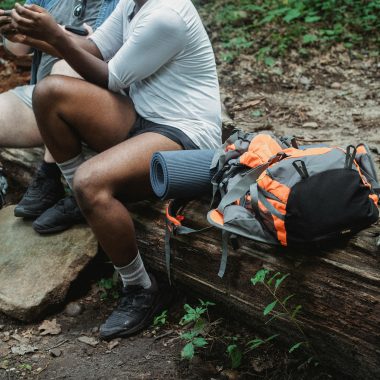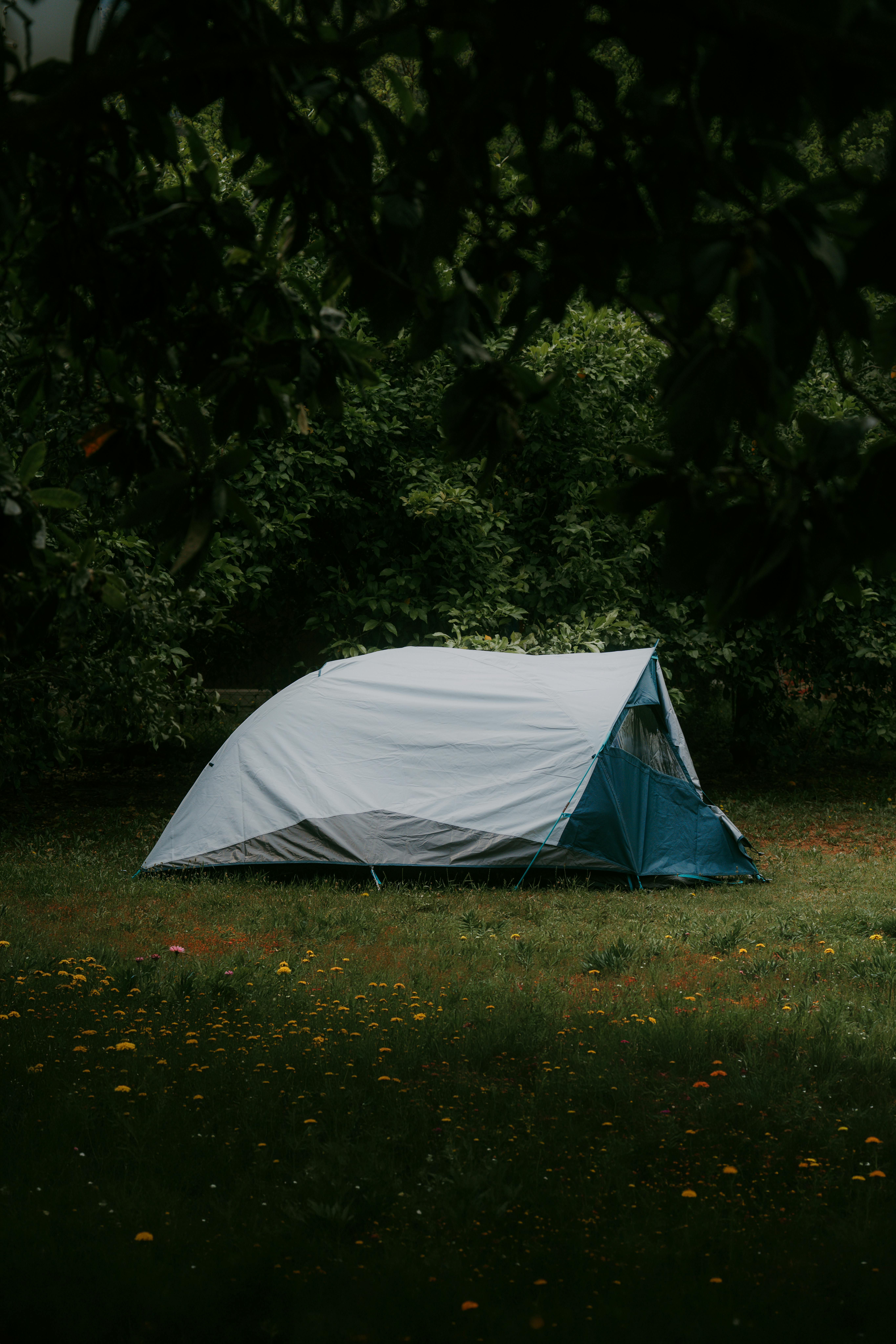
First-time camping trips are exciting, but they can quickly become uncomfortable if your tent is placed in the wrong location or poorly secured against wind and rain. Many beginner campers focus heavily on buying gear while overlooking one of the most important outdoor survival basics: choosing the right campsite and setting up shelter correctly.
A safe campsite improves comfort, keeps your gear dry, helps you sleep better, and protects your tent during changing weather conditions. Whether you’re planning a weekend at a national park, a family camping trip, or a backcountry adventure, learning proper tent setup techniques can dramatically improve your outdoor experience.
If you’re searching for beginner-friendly camping shelters, waterproof tents, or weather protection gear, explore our collection here:
Explore Camping Tents & Outdoor Shelters
Table of Contents
- Why Campsite Selection Matters
- How to Choose the Best Ground for Your Tent
- How to Avoid Rainwater and Flooding Problems
- Understanding Wind Direction Before Pitching a Tent
- How to Stake and Secure a Tent Properly
- Why Camping Tarps Are Essential for Bad Weather
- Common Beginner Camping Mistakes
- Recommended Beginner Camping Gear
- Final Thoughts
Why Campsite Selection Matters More Than Most Beginners Realize
Even the most expensive camping tent can fail if it is placed in a poor location. A campsite that looks visually appealing during the afternoon may become windy, muddy, or flooded overnight after weather conditions change.
Experienced campers always spend time evaluating terrain before unpacking gear because campsite positioning affects:
- Rainwater drainage around the tent
- Wind exposure and tent stability
- Ground comfort while sleeping
- Condensation and airflow inside the tent
- Protection from falling branches and debris
- Overall campsite safety during storms
For beginner campers, selecting a reliable waterproof shelter and easy-setup tent can reduce stress significantly during setup. Modern instant tents and weather-resistant shelters are designed to simplify the camping experience while improving protection from harsh outdoor conditions.
Browse beginner-friendly camping tents here:
How to Choose the Best Ground for Your Tent Setup
The first step after arriving at a campsite is carefully evaluating the ground surface. A proper tent location should provide stability, comfort, and protection from environmental hazards.
1. Look for Flat but Slightly Elevated Ground
Many beginner campers make the mistake of choosing the absolute lowest flat area because it appears convenient. Unfortunately, low spots collect rainwater very quickly during storms.
Instead, choose ground that is:
- Mostly flat for sleeping comfort
- Slightly elevated to improve water drainage
- Firm enough for tent stakes
- Free from soft mud or standing water
| Ground Type | Recommended? | Reason |
|---|---|---|
| Flat elevated dirt | Yes | Good drainage and stability |
| Low valley areas | No | Flood risk during rain |
| Rocky surfaces | No | Uncomfortable and can damage tent floors |
| Grass-covered soil | Yes | Comfortable and stable for tents |
| Loose sand | Sometimes | Requires specialized stakes |
2. Remove Sharp Objects Before Setup
Before placing your tent footprint or groundsheet, inspect the area carefully. Small rocks, sticks, pinecones, and roots can damage your tent floor and create uncomfortable pressure points while sleeping.
Take several minutes to:
- Clear sharp debris
- Check for hidden roots
- Smooth uneven dirt areas
- Inspect for insect nests or ant hills
3. Avoid Dangerous Overhead Hazards
Always look above your campsite before setting up. Dead branches, leaning trees, and unstable limbs become extremely dangerous during strong wind or rain.
Campers often refer to these hazards as “widowmakers” because falling branches can cause serious injuries.
How to Avoid Rainwater Problems While Camping
Rain is one of the biggest concerns for beginner campers. However, proper campsite planning dramatically reduces the chances of waking up in a flooded tent.
Understand Natural Water Flow
Even light rainfall follows predictable terrain patterns. Before setting up your shelter, examine how water would travel across the campsite if heavy rain occurred overnight.
Avoid:
- Dry creek beds
- River edges
- Bottoms of hills
- Narrow drainage channels
- Areas with visible erosion marks
Use a Ground Tarp or Footprint
A waterproof ground layer creates an additional barrier between your tent and wet ground conditions. It also helps extend the lifespan of your tent floor.
For even better weather protection, many campers create covered living or cooking spaces using camping tarps.
Featured Weather Protection Shelter
The Gogeegee StormShield Deluxe Outdoor Camping Tarp provides additional coverage against rain, wind, and direct sunlight. It can be used as:
- An emergency rain shelter
- A cooking canopy
- A tent extension cover
- A dry storage area for backpacks and gear
- A wind-blocking barrier during storms
View the Gogeegee StormShield Deluxe Outdoor Camping Tarp
Understanding Wind Direction Before Pitching Your Tent
Strong wind is one of the fastest ways to ruin a camping trip if your shelter is not positioned correctly. Wind direction affects tent stability, internal temperature, and even sleeping comfort.
How to Identify Wind Direction
Before setup, observe:
- Moving tree branches
- Grass movement patterns
- Cloud direction
- Nearby smoke from campfires
Position the Tent Correctly
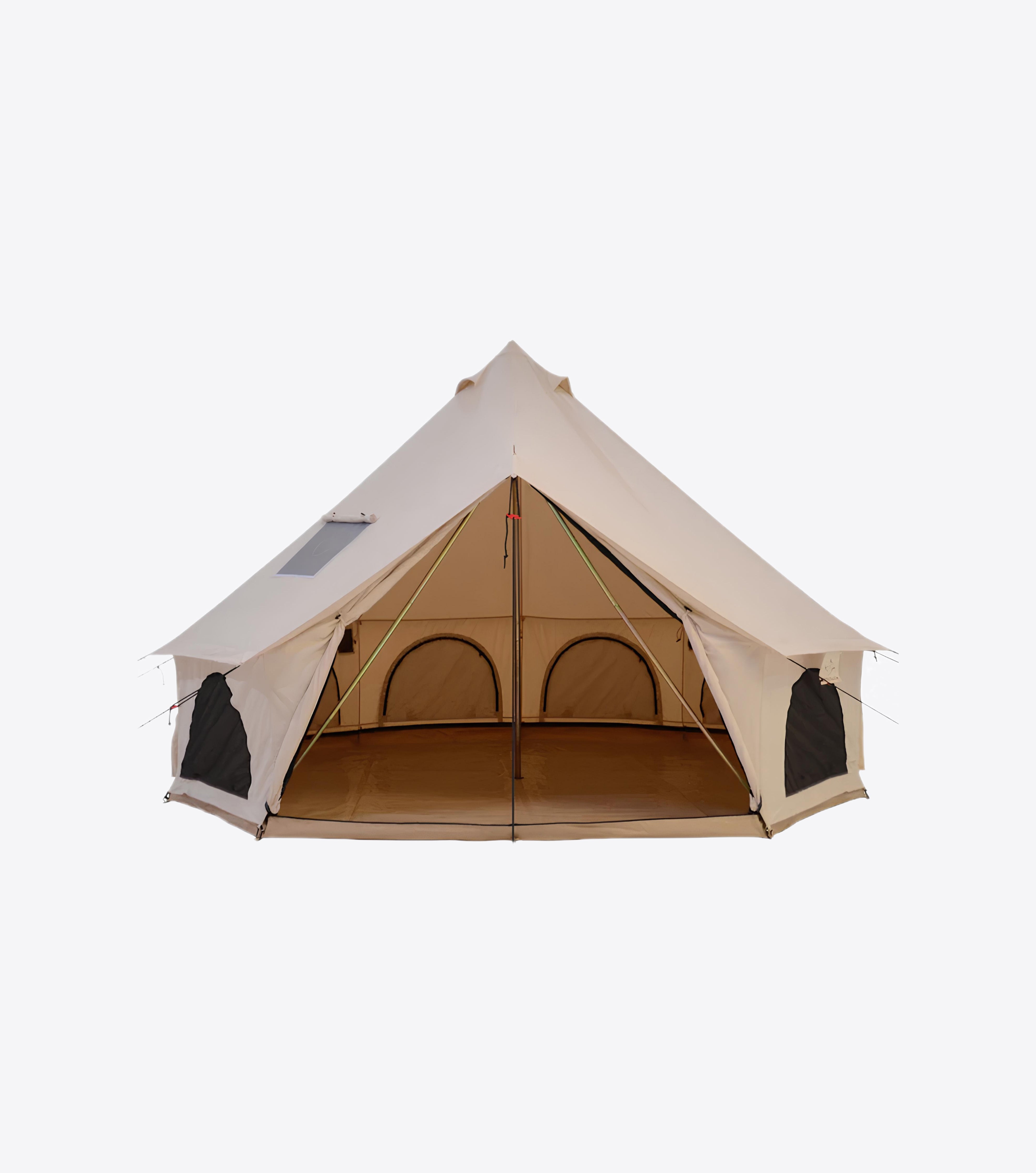
Most tents are designed with an aerodynamic structure. The narrowest side of the tent should face incoming wind to reduce pressure against the tent walls.
| Wind Setup Tip | Why It Helps |
|---|---|
| Face narrow tent side into wind | Reduces wind resistance |
| Use trees as natural barriers | Blocks strong gusts |
| Tighten guylines evenly | Improves tent stability |
| Lower tarp angles during storms | Prevents tarp lifting |
Use Natural Wind Protection Carefully
Natural barriers such as bushes, rock formations, and tree lines can help reduce wind exposure. However, avoid placing your tent directly under unstable trees or damaged branches.
How to Stake and Secure Your Tent Properly
Incorrect staking is one of the most common beginner mistakes in camping. Even high-quality tents can collapse or shift if guylines and stakes are poorly installed.
Best Practices for Tent Stakes
- Insert stakes at a 45-degree angle away from the tent
- Use all available stake points
- Tighten guylines evenly on every side
- Recheck stake tension before sleeping
- Use stronger stakes in sand or loose soil
Why Guylines Matter
Guylines distribute tension evenly across the tent frame, improving wind resistance and structural stability.
Never ignore extra guylines included with your shelter system—especially during bad weather.
Common Beginner Camping Mistakes to Avoid
Mistake #1: Setting Up Too Late
Pitching a tent after sunset creates unnecessary stress and increases setup errors. Arrive early enough to inspect the campsite properly.
Mistake #2: Ignoring the Weather Forecast
Weather conditions can change rapidly outdoors. Always prepare for colder temperatures, rain, and stronger winds than expected.
Mistake #3: Leaving Gear Outside Overnight
Backpacks, shoes, and electronics can become soaked from overnight moisture or sudden rainfall.
Mistake #4: Skipping Tent Ventilation
Poor airflow creates condensation inside the tent, making sleeping bags and clothing damp even without rainfall.
Recommended Beginner Camping Gear for Better Shelter Protection
Choosing beginner-friendly gear can make camping safer and far less stressful. When selecting shelter equipment, prioritize:
- Waterproof materials
- Easy setup systems
- Strong wind resistance
- Lightweight portability
- Reliable weather coverage
Explore our collection of camping tents and outdoor shelters designed for beginner and experienced campers:
Final Thoughts
Learning how to select a safe campsite and properly secure your tent is one of the most valuable outdoor skills for beginner campers. A good campsite improves safety, keeps your gear dry, and helps you enjoy a far more comfortable outdoor experience.
By understanding terrain, monitoring wind direction, improving rain protection, and using reliable shelter equipment, you can confidently prepare for changing outdoor conditions and enjoy camping with greater peace of mind.
Whether you’re preparing for your very first camping trip or upgrading your outdoor setup, reliable weather protection gear makes a significant difference during unpredictable conditions.